Automated
On trust, systems, and the courage to face truth

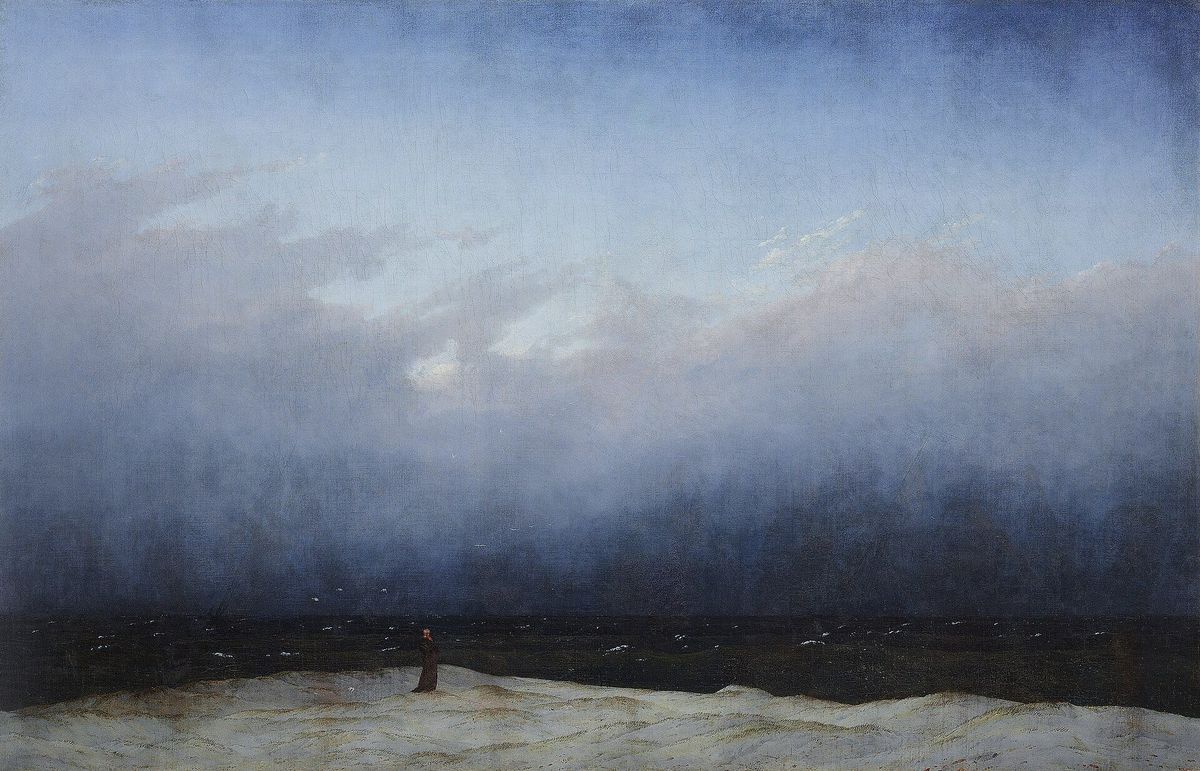
Life is beginning to feel automated.
Over time, we search for answers, and slowly we discover ideas that ease the tension of not knowing. We let them settle. We begin to trust them.
Much of life now runs best when it stays out of sight. We automate our bank accounts. Bills are paid in the background. Numbers move without our involvement, and the relief comes not from understanding how it all works, but from not having to think about it.
That trust brings comfort. Confidence follows. Pride, almost unnoticed. Our ambition is met, and we continue building on what has proven sufficient. Success arrives and seems to confirm our view as right. Decisions grow easier. Values become instinct. We choose without much thought, freeing our minds for what we decide matters more.
Our dreams come true. The good life seems well underway—steady work, enough to provide. We enjoy the job, though we can imagine doing something else if the opportunity ever came. For now, it is sufficient.
Personally, life feels sweet. We find a spouse, and with them the beginnings of a family. Evenings fill quickly with playtime, bottles, and laughter. The days are full. There is little time left for each other, but we accept this as the cost of the life we wanted. We tell ourselves it is only for a season.
I mistook the quiet of things working for the sound of truth.
Still, I come to love and trust the world as it appears to me. The systems that shape it have delivered what I hoped for, and so I begin to take them as true. How could anyone see otherwise? What works for me must work for others. I trust it. I believe it. Life is good.
But one day the system changes.
Not on the surface, but in its posture toward me. I had spent years aligning myself to its logic, trusting that this was the path toward the good life. I learned how to speak its language. How to move with its expectations. Suddenly, that same alignment no longer reads as cooperation. I find myself forced to reckon with everything I had come to trust.
The decisions that were once automatic no longer hold. What once felt instinctive now wavers. Each action invites scrutiny. Self-doubt enters where certainty once resided.
It is as though the world has lifted a veil—not dramatically, but just enough to expose what I had not needed to see. I begin to wonder whether the system was ever as solid as it appeared, or if it only seemed so while it was working in my favor. Even so, I am not undone by the change. The system brought some good. The people I love remain. There is still joy.
The world now responds in ways I do not recognize. Where affirmation once was, there is resistance. Where there was ease, something harder awaits. I find myself asking how this can be the same world—the one that offered gifts and opened doors. It now withholds and presses back. Was it always like this? Was I simply spared the way it wounds when it no longer rewards?
Old emotions I once dismissed begin to surface. I feel the size of the world pressing in, and I want it back under what my mind can manage.
It refuses.
The cracks in my worldview widen. What once held together no longer does. I know I will never see in the same way again.
I am not unsettled by the fact that I am wrong, but by the confidence I have when I am.
Until now, truth had come through my ability to make sense of life as I experienced it. I trusted my coherence. I trusted my conclusions. I trusted myself.
I see now that my trust was misplaced—not in the ideas themselves, but in myself.
And the world is full of people like me—people with limits, doing their best to make sense of what life asks of them. We live by our best guesses, refining them as we go.
Truth, I am learning, resists closure. It exceeds the systems we build to contain it. Perhaps the structures I once experienced as generous are also shaped by assumptions about reality that fail to account for the fullness of what we encounter.
Much is lost in the process. People. Stories. Whole ways of seeing—dismissed in the name of coherence.
What is truth, and what is its value? What does it ask of me now? I find myself wondering where my fidelity truly lies—with truth itself, or with the life I have learned to protect. The systems I once trusted still offer their familiar promises—security, recognition, success, if I am willing to cooperate.
I begin to suspect something harder—that my loyalty to these arrangements has made me wary of truth itself. Not because truth lacks beauty, but because it threatens what has held my life together.
I have reckoned with my limits. Even so, the temptation remains to live by a law I cannot fully trust, simply because it continues to work.
Perhaps this is what the pursuit of truth looks like after certainty loosens its hold—a life marked by solitude, discovery, and mystery.
There is relief in this. I no longer feel the pressure to conform or resolve every question at once. I am freed from the demand to have it all figured out, knowing I am capable only of my best guess.
I take comfort in the thought that understanding arrives slowly. Hindsight waits ahead, and grace walks with it.
What feels certain now is my desire to keep this freedom—to question, to notice, to discover. I want to remain willing to examine the systems that shape us, and the smaller ones I quietly build for myself.
I am also learning that this kind of freedom requires courage—the courage to face truth when it unsettles me, even when it asks me to admit where I have been wrong. Our systems may help us live, but they do not equal truth, and it takes honesty to hold that difference without retreating.
The world is not as I once thought it was.
And that gives me something to live for.