Creekside
Moving forward without returning

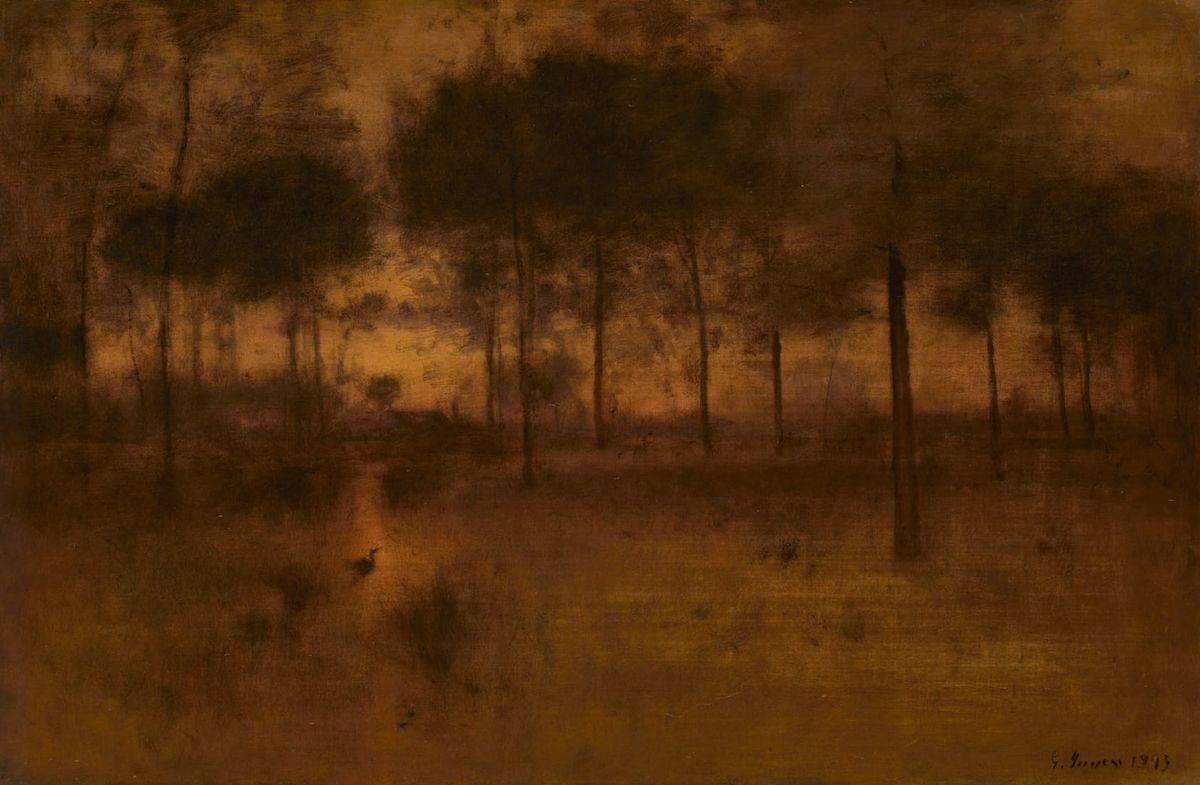
The water dances downstream, light flickering off its surface. The smell of algae hangs in the air. Beside me lies a patch of gravel, and I feel the urge to scoop a handful and toss it into the river, just to watch the ripples bloom outward from the point of impact. My eyes drift instead to a snake warming itself on a rock that juts from the bank. I wonder if he feels a similar impulse. Does he, too, want to disturb the view? The thought makes me smile. The scene is too peaceful to interrupt, and I let the gravel rest where it is.
Beneath the surface, river stones press upward, shaping the water’s movement. The stream is shallow here, its texture uneven, the surface rising and falling with what lies below. I look upstream and follow the bends of the channel with my eyes. How did this path come to be? My brow tightens, but the river offers no answer. It continues on. Trees lean inward from every side, banks slope and soften, stones breach the surface, and the water yields itself to the terrain that receives it. It strikes me how little the river seems concerned with explanation.
A salmon slips past, carried by the current. He moves with little effort, letting the river shoulder most of the work. In seconds he is gone, taken downstream and out of sight. I find myself wondering what waits for him ahead—whether ease or resistance shapes a journey more deeply—when a faint static sound reaches my ears. Had it been there all along, unnoticed while I lingered in stillness?
I rise and begin walking along the bank. The water deepens, its surface smoothing into glass as the sound grows louder. The river bends ahead, concealing its source. Pebbles shift as I walk. Birds settle quietly in the branches above me. Step by step, I walk with the stream until I round the bend and see what has been calling.
A massive boulder stands in the center of the channel. The water slams into it, exploding outward on contact. Smaller rocks cluster around its base, each collision echoing the violence of the first. The river whips and recoils in every direction, frantic, relentless, until it discovers a way forward. My chest tightens. My breath shortens. I wait for the water to settle back into the calm I had come to trust, but it refuses. There is no negotiation here—only persistence.
The river splits around the stone. To the left, the water lifts and drops gently over a series of smaller rocks, foaming briefly before smoothing out again. To the right, it meets resistance head-on. The current surges upward, spills sideways, slams into another pile of stone, strikes the bank, and collapses back into the channel. My heart jumps into my throat. I feel the urge to turn back, to return upstream where the water was calm, but the river presses on. Watching it, I recognize the comfort of retreat—and how easily I mistake familiarity for safety.
Below the rapids, the water slips away from the bank and threads itself through a narrow crevice between stones. I move carefully past as the static fades. The roar gives way to quieter sounds. The surface settles. The water is clouded now, thick with sediment churned up by the collision, yet the familiar ripples return. The river runs darker here. It keeps moving. Something in me loosens at the sight—not relief, exactly, but permission to continue without pretending nothing has happened.
Farther downstream, I see a family of deer gathered at the edge, lowering their heads to drink. When they notice me, they scatter at once, bounding up the bank and vanishing into the trees. I think of the gravel in my hand, of how easily I might disrupt what depends on this place. I stop. I turn around. I begin walking back the way I came. It feels like a small act, but it is the only one that seems right.
That’s when I notice the banks. They are striped, etched with layers of red clay that rise several feet above the waterline. Light and dark bands alternate, stacked one atop another. The walls are smooth, rounded, shaped to match the bends of the river below. Each stripe marks a pass the water has made, a trace left behind by persistence. I begin to understand that nothing here moves forward without leaving evidence behind.
I reach my car, unlock the door, and sit down inside. A different feeling settles over me now—quieter, heavier, harder to name. I may never feel it again. I turn the key and sit with the question:
What will I leave in my wake?